Cast iron, forever: the care guide
Season it, cook in it, clean it with salt, hand it down. Everything you need to keep a cast iron skillet going for the next hundred years.
There are two kinds of cookware: the kind you replace every few years, and cast iron. A well-kept skillet outlives its owner — people cook on pans their great-grandmothers seasoned. Here's how to be the person whose skillet makes it to the great-grandchildren.
Why cast iron in the first place. It's simply iron. No coating to scratch, flake, or wear out — which means there's nothing mysterious between your food and the pan. It holds heat beautifully, goes from stovetop to oven to campfire, and the more you cook with it, the better it gets. That's not marketing; that's a century of kitchens agreeing.
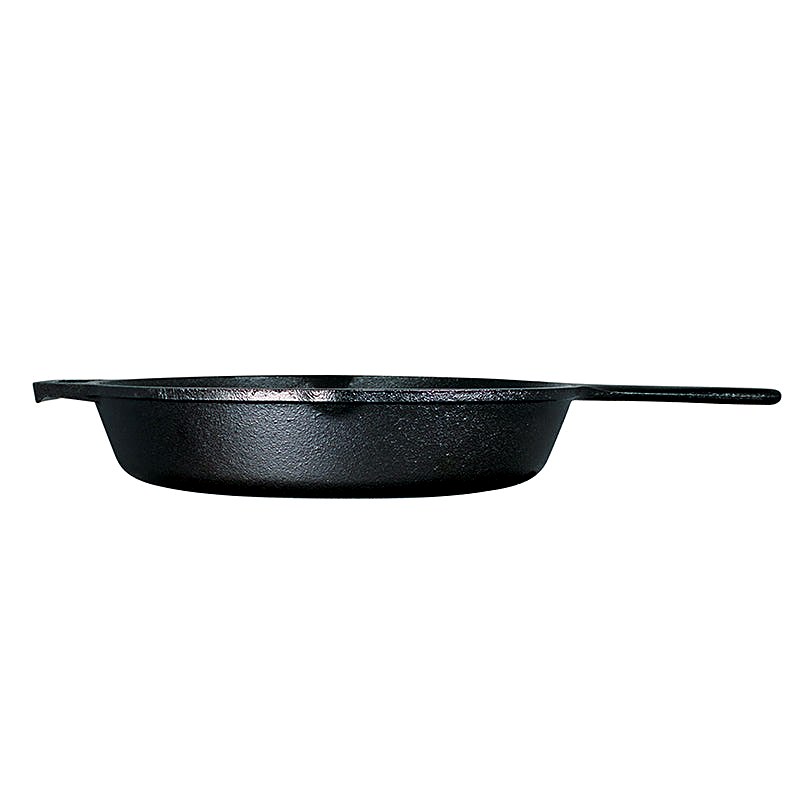
Seasoning, demystified. That dark, almost nonstick surface is seasoning: thin layers of oil baked onto the iron. New skillets like Lodge's come pre-seasoned and ready to cook. To build it up, just cook with fats — roast vegetables, fry eggs, bake cornbread. The pan does the work. If you ever need to re-season from scratch: scrub the pan clean, dry it completely, rub the thinnest possible layer of a neutral high-heat oil over every surface (then wipe it like you made a mistake — less is more), and bake it upside down at high heat for an hour. Repeat a few times. Patience beats products here.
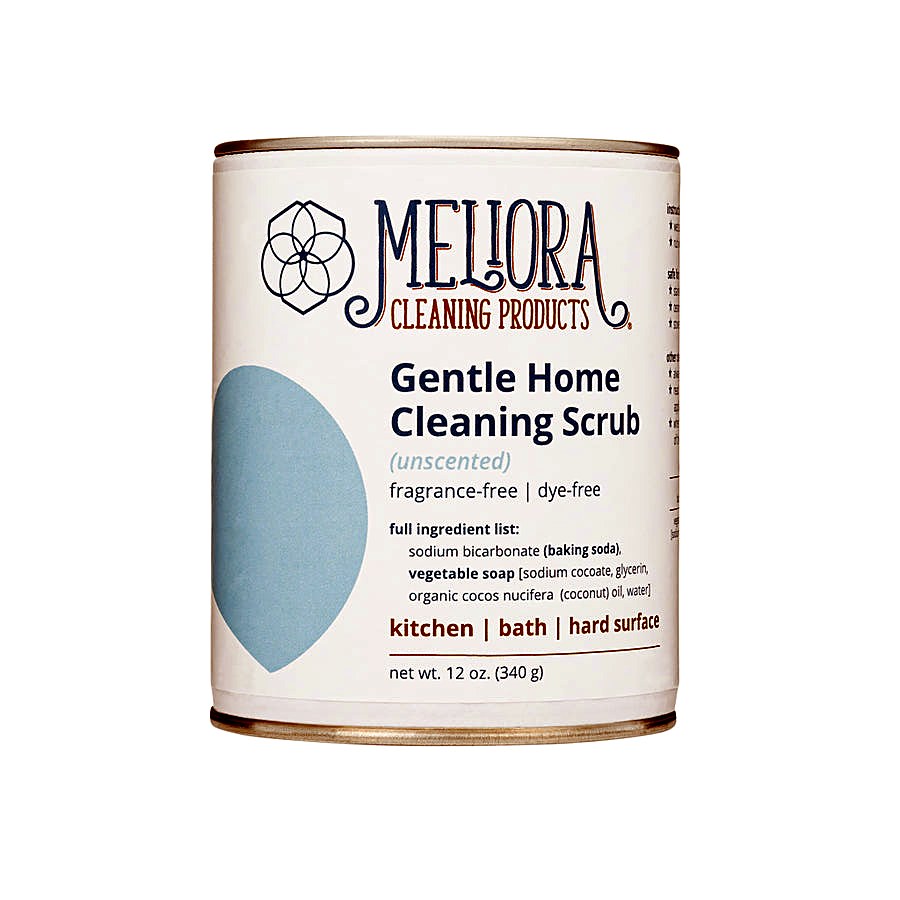
Daily care is simpler than the internet says. While the pan's still warm, rinse with hot water and scrub with a stiff brush or a handful of coarse salt. A little mild soap now and then won't ruin anything — that's an old myth — but skip the harsh detergents and never, ever the dishwasher. A gentle unscented scrub works for stuck bits. Dry it immediately and completely (a minute on a warm burner does it), then rub in the lightest film of oil while it's warm. That's the whole routine. Two minutes.
What not to do. Don't soak it. Don't leave it wet in the sink — rust is just iron meeting water and air, and it's the one real enemy. Don't plunge a screaming-hot pan into cold water (thermal shock can crack it). And go easy on long-simmered acidic things like tomato sauce in a brand-new pan; a well-seasoned older pan handles them fine, but acid is hard on young seasoning.
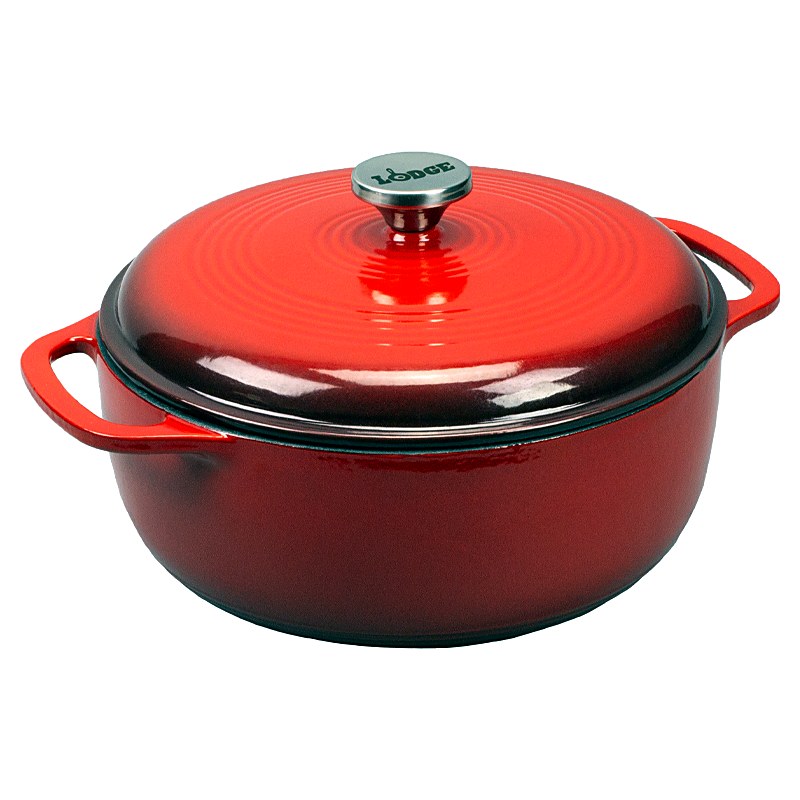
Enamel is the easy sibling. An enameled Dutch oven — same iron core, glass-like enamel coating — skips the seasoning ritual entirely. It braises, bakes bread, and simmers stews beautifully, cleans up with normal washing, and looks good enough to go straight to the table. If the idea of seasoning feels like a hobby you didn't ask for, start here.
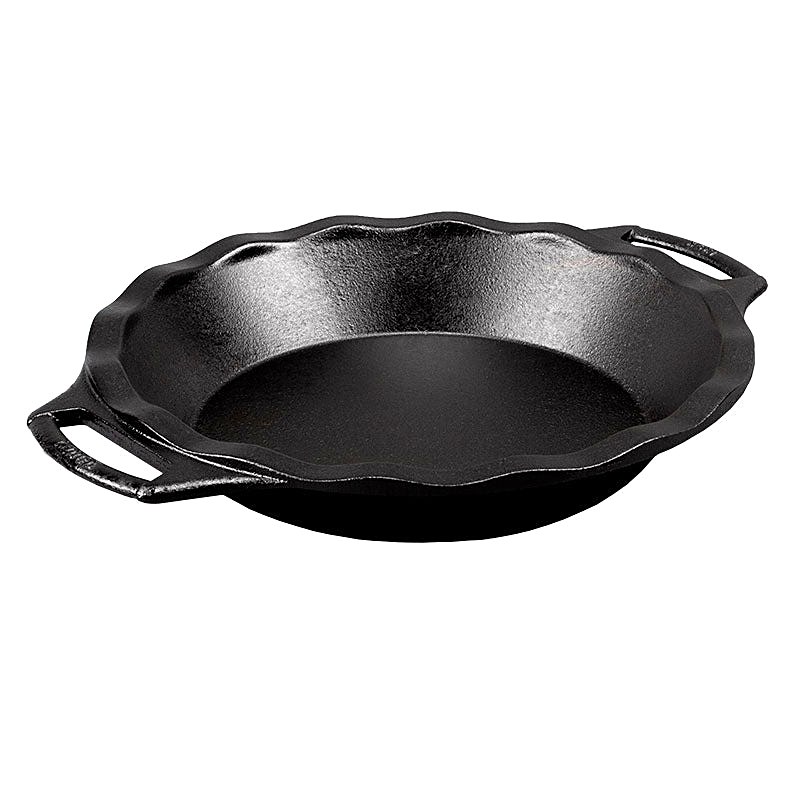
The pie pan secret. Cast iron isn't just for searing. A cast iron pie pan bakes a crust with edges that actually crisp, and it goes from oven to table looking like it means business. Same care rules apply.
When it looks rough, it's not ruined. Rust spots? Scrub them out with salt and a little oil, re-season, keep cooking. A sticky pan? You used too much oil last time — scrub it back and use less. Cast iron is nearly indestructible and entirely renewable. There is almost no problem with a cast iron pan that cooking in it won't fix.
Which piece first? If you're starting from zero: the 10.25-inch skillet. It's the everyday workhorse — eggs, searing, roasting, baking. Add a Dutch oven next for braises, bread, and stews. The pie pan is the delightful third piece, the one that makes people ask where you got it. You don't need a matched set; cast iron pieces from the same maker stack and store neatly, and each one earns its place individually. Three pieces cover about ninety percent of stovetop and oven cooking.
Buy it once, cook in it forever, hand it down. That's the whole pitch — and it's enough.