Decorating for Christmas, the natural way
Real greenery, beeswax candlelight, and garlands you'll hang for decades — a Christmas that smells like a forest, not a fragrance aisle.
Somewhere along the way, Christmas started smelling like a candle called "Winter Wonderland" instead of like winter. We'd like to gently suggest going back. A natural Christmas isn't about giving anything up — it's about discovering that the real version was better all along.
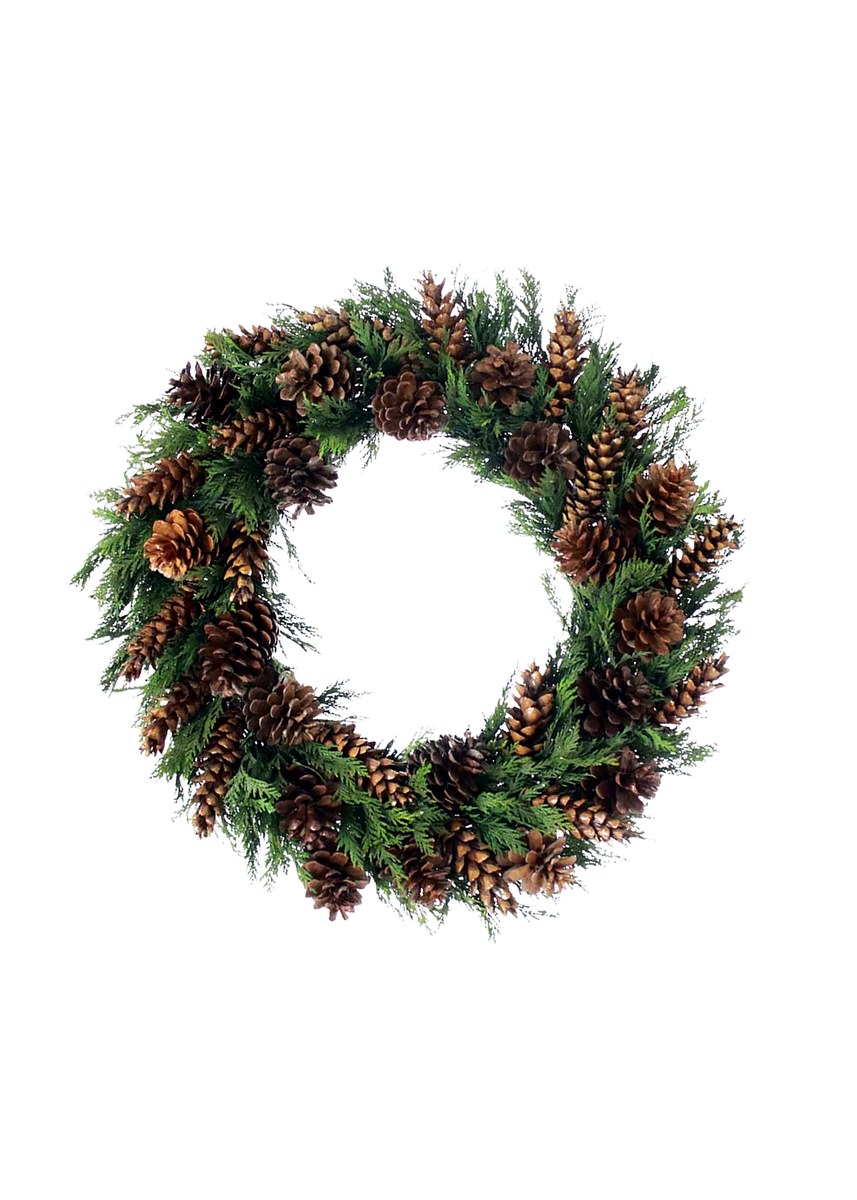
Real greenery is the whole point. A preserved cedar and pinecone wreath on the door does what no plastic garland can: it smells like the season. Tuck sprigs of cedar, fir, or eucalyptus along the mantel, in vases, around candle clusters. When the season ends, greenery goes back to the earth instead of into a storage bin you'll dread opening.
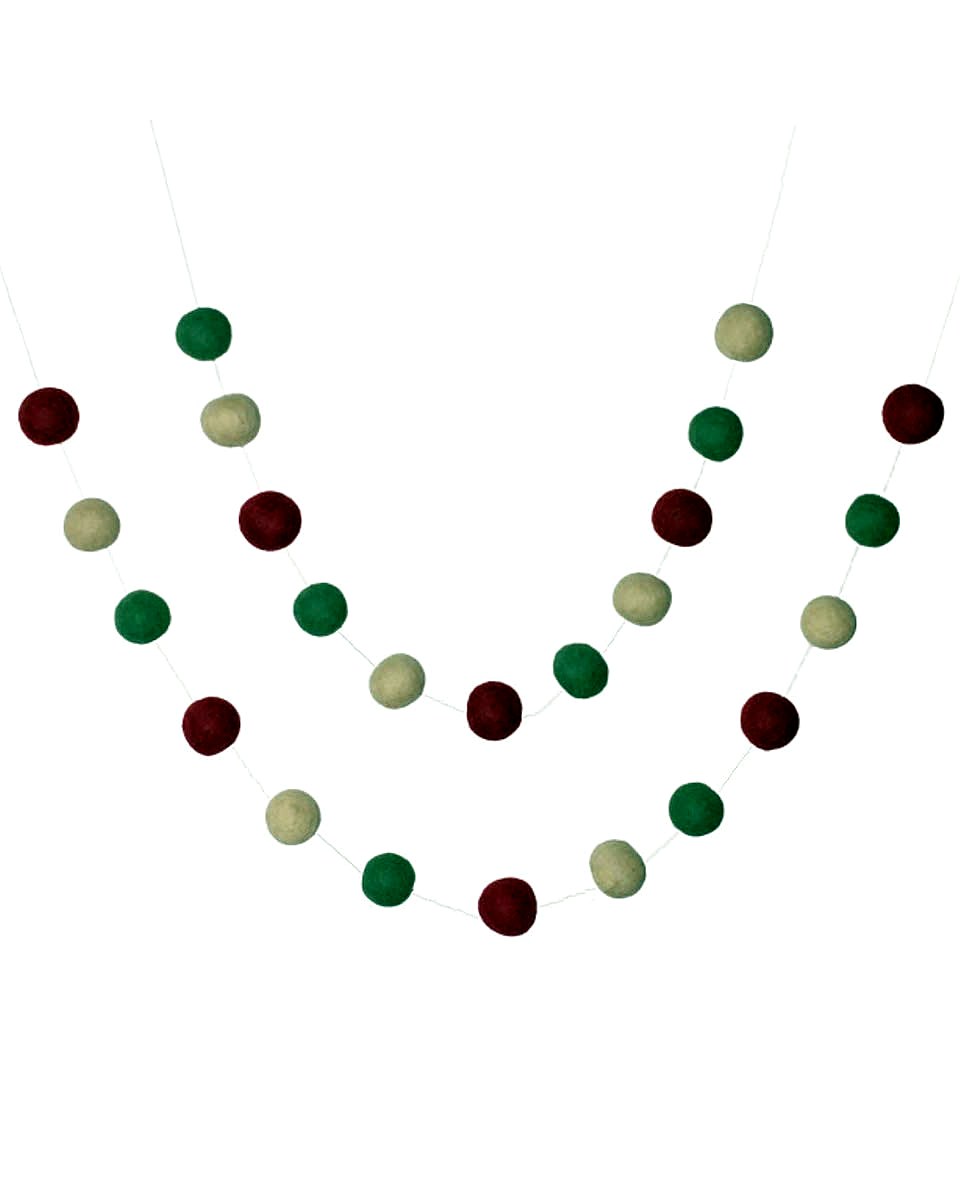
Felt garlands are the heirlooms. Those wool felt ball garlands in deep burgundy, forest, and almond? They don't fade, fray, or go out of style. String them on the tree, across the mantel, up the stair rail. Pack them away in January and they'll look exactly the same next December — and the December after that. The cheapest decoration is the one you buy once.
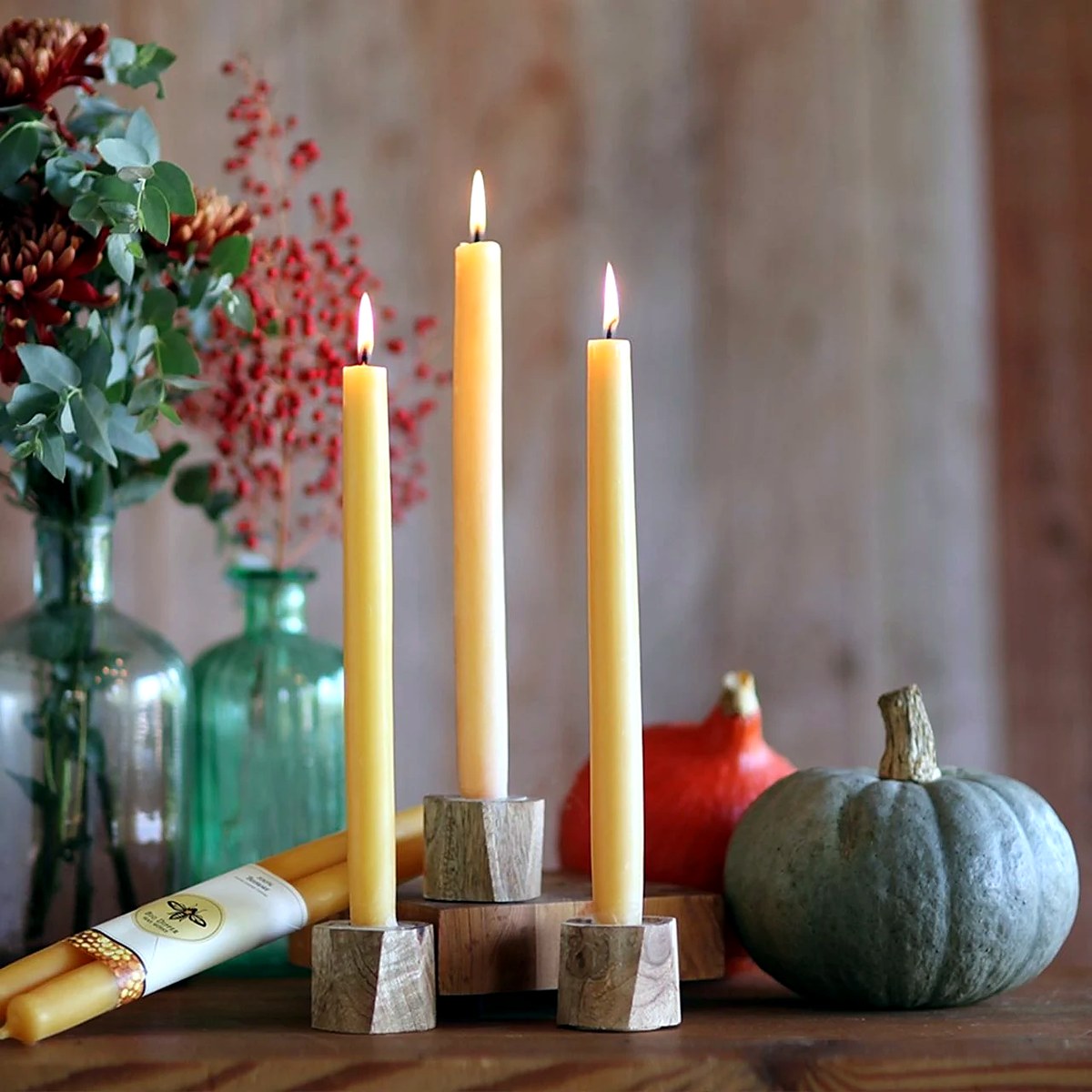
Candlelight, but make it honest. Christmas Eve by beeswax taper light is one of life's genuinely good experiences. Beeswax tapers burn clean and slow with a warm golden flame — no synthetic "balsam" scent needed when there's actual cedar on the mantel. Set them in steady holders, away from the tree and the garlands, and never leave a room with candles burning. Trim wicks to about a quarter inch and they'll burn beautifully all evening.
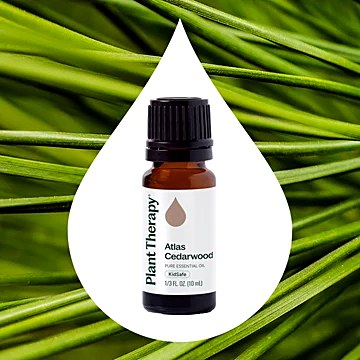
Simmer, don't spray. A pot on the stove with water, orange slices, cloves, a cinnamon stick, and a drop or two of real cedarwood or fir essential oil will make your house smell like the holidays in about twenty minutes. No plug-ins, no aerosol "home for the holidays," no mystery ingredients — just a pot doing what pots do. Keep an eye on the water level; a simmer pot should never boil dry.
Wrap it in something real. If you're going all in: kraft paper, linen ribbon, a sprig of cedar tucked under the twine. It takes the same amount of time as the glossy printed paper and looks like a magazine shoot. Save the ribbons in a drawer; linen ribbon lasts for years.
A note on the tree. Whether yours is real or artificial is your call — but if it's artificial and shedding, that's a sign it's shedding microplastics into your living room. A real tree from a local farm, composted or mulched after the season, is the lower-impact choice in most cases. If you do keep an artificial one, run it until it genuinely falls apart; the greenest tree is the one you already own.
The thread through all of this: Christmas decorating used to be made of the season itself — branches, berries, wax, wool, fruit. It still can be. It costs less over time, it smells like the real thing, and when January comes there's nothing to throw away with a sigh. Merry Christmas, the natural way.
P.S. — Give it, too. The same logic applies under the tree. A beeswax candle, a linen throw, a bottle of real essential oil with a diffuser — these are gifts made of honest materials that the recipient will actually use. Wrap them in kraft and twine and you've given something that looks beautiful, costs less than the department-store equivalent, and doesn't come with a mystery ingredient list. The natural Christmas doesn't stop at the decorations.
And when it's over. Take the tree down, compost the greenery, pack the felt garlands and candle holders with the ornaments. There's a particular satisfaction in putting away decorations you know you'll love finding again next December — nothing faded, nothing broken, nothing you feel guilty about keeping. That's the quiet reward of decorating with real materials: every year starts with things you already love.