Cotton, linen, hemp, wool: a natural fiber field guide
What actually distinguishes the four natural fibers on our shelves — how they feel, how they wear, and how to care for each.
Our rule for apparel and home textiles is the simplest one in the store: natural fibers only. Cotton, linen, hemp, wool. Never synthetic, no exceptions — not even the 5% elastane blends. But "natural fiber" covers a lot of ground, and each fiber has its own personality. Here's how to know them.
Cotton: the familiar one. Soft, breathable, easy to wash, easy to love. Organic cotton is grown without synthetic pesticides, which matters for the fields and the people working them. Cotton's weaknesses: it wrinkles, it absorbs water slowly and dries slowly, and conventional cotton is one of the thirstiest crops around. For everyday shirts, sheets, and towels, it's the comfortable default — just look for organic where you can.
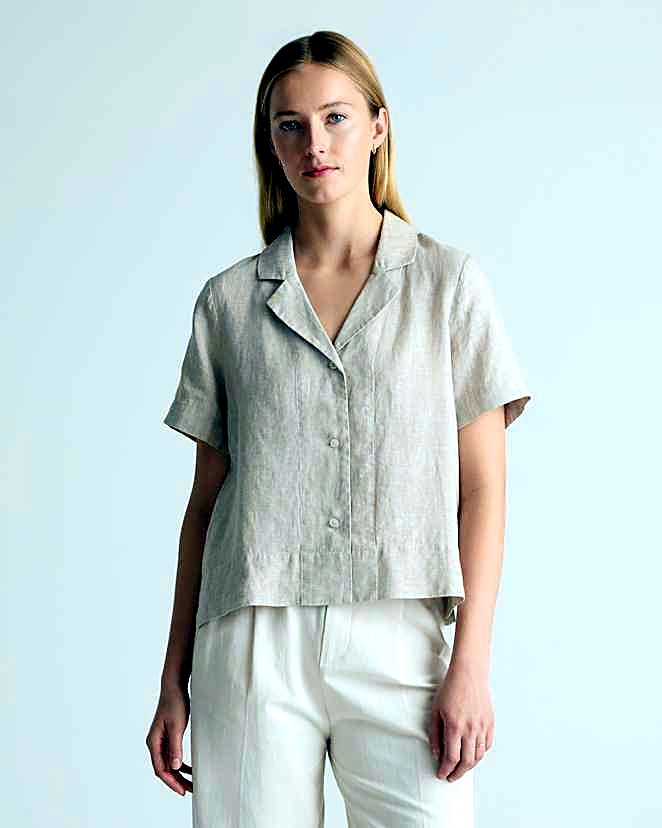
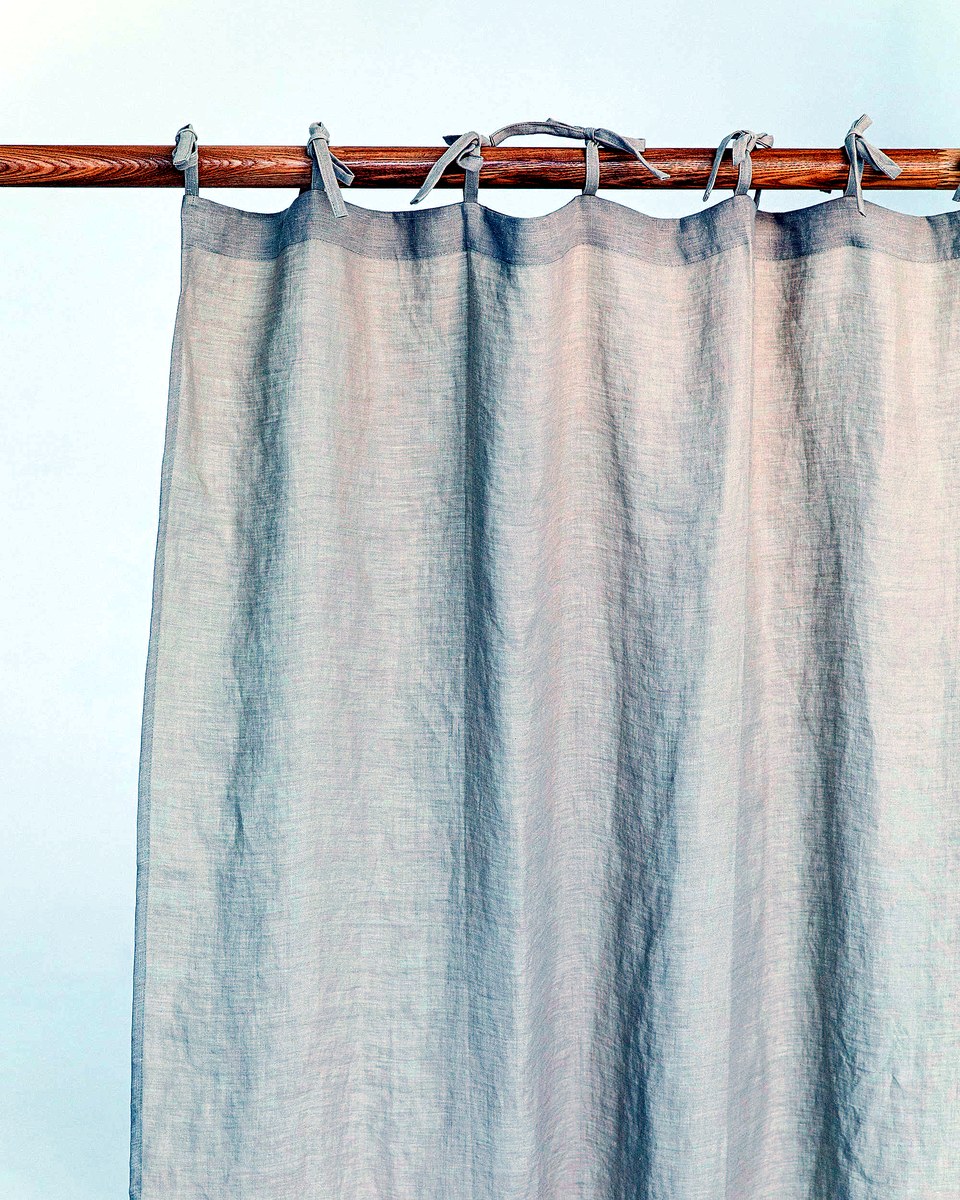
Linen: the aristocrat. Made from flax, linen is stronger than cotton, gets softer with every wash, and breathes better than almost anything — it's why linen shirts are the uniform of hot climates. It wrinkles, famously and unapologetically; that's not a flaw, it's the look. Linen production uses far less water than cotton and nearly the whole flax plant gets used. A good linen curtain panel or duvet cover is a buy-it-for-decades piece. Wash cool, line dry if you can, embrace the creases.
Hemp: the workhorse. The strongest of the plant fibers, naturally resistant to mold and UV, and the crop itself is famously low-impact — it grows fast, needs little water, and improves the soil it grows in. Hemp fabric starts out with a rustic, textured hand and softens beautifully with wear. It's the fiber for things that take abuse: tote bags, workwear, upholstery. If linen is the aristocrat, hemp is the farmer who could also win a fight.
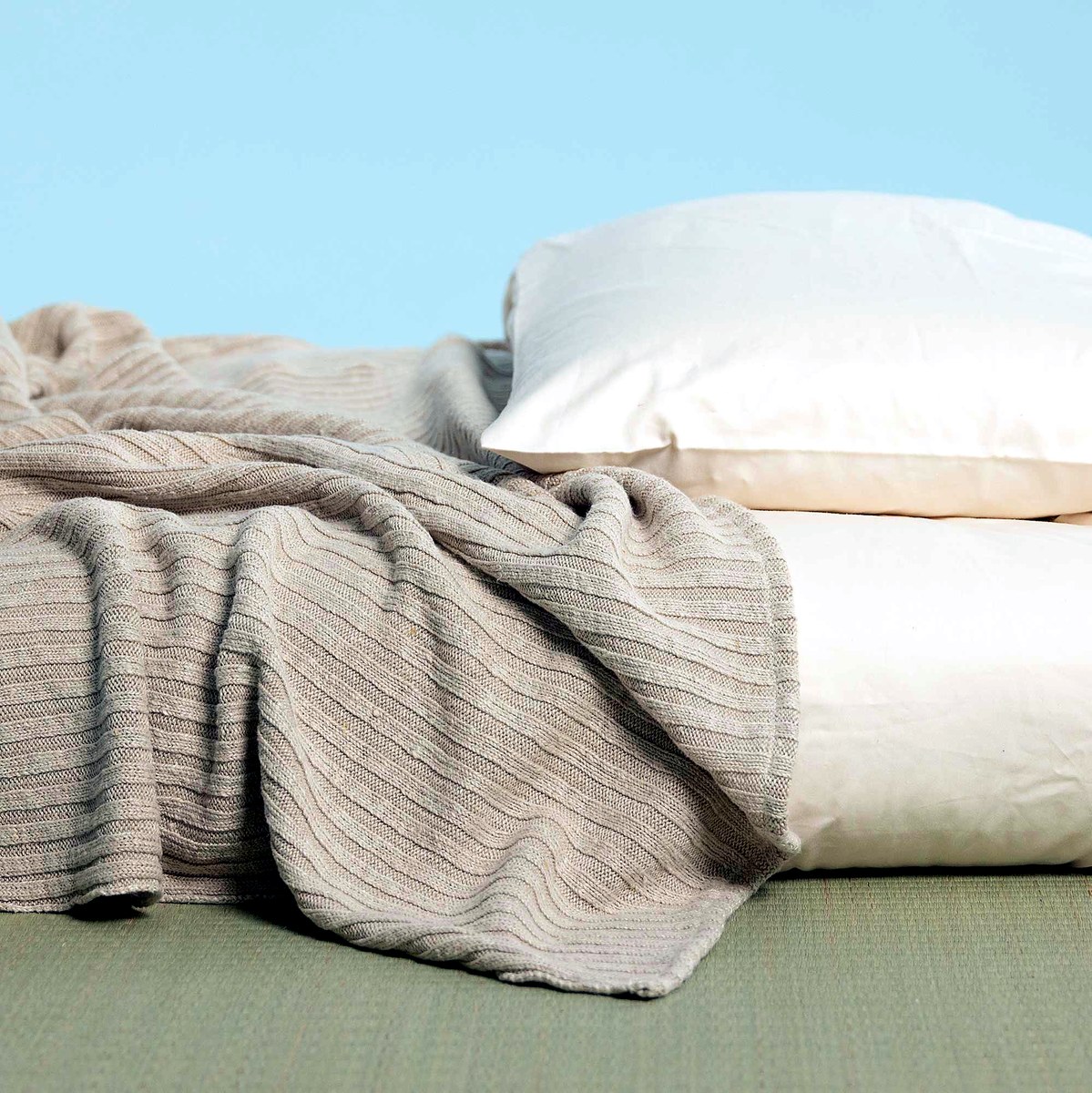
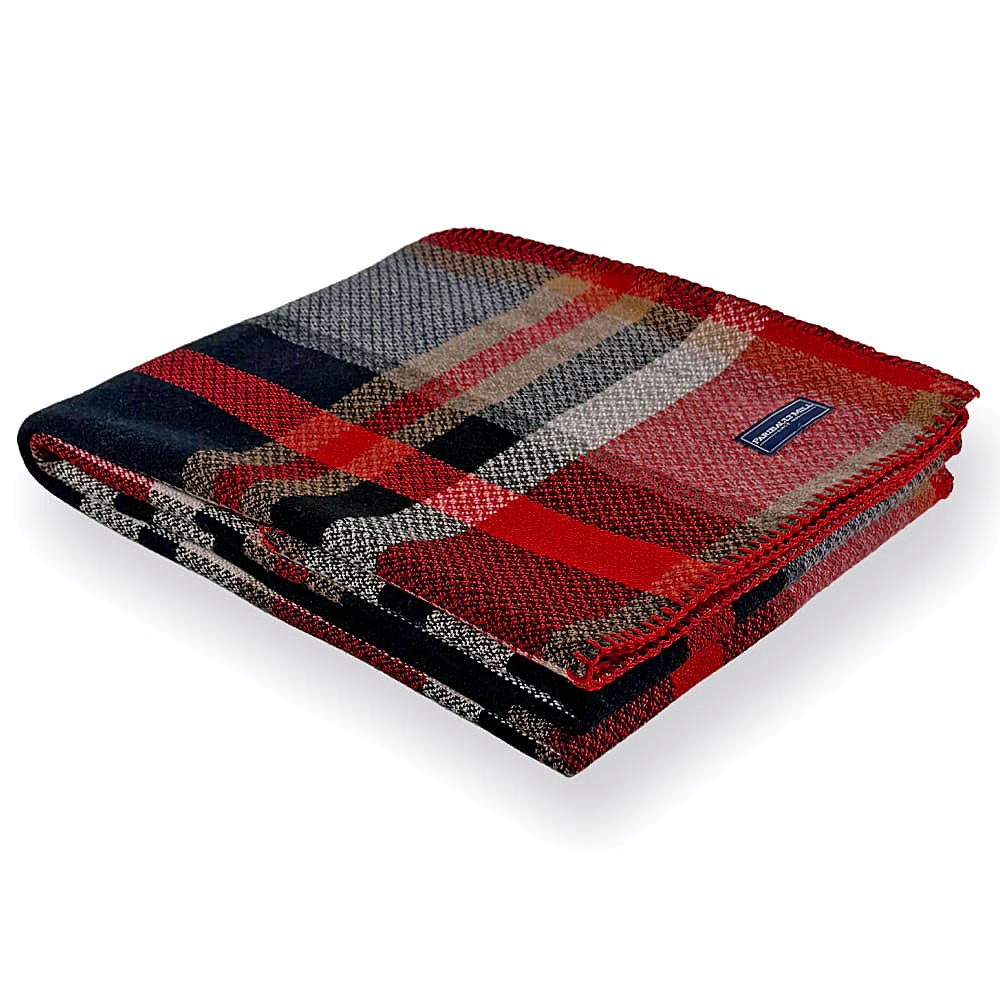
Wool: the miracle. Wool insulates when it's cold, breathes when it's warm, resists odor so well you can wear a wool garment multiple times between washes, and is naturally flame-resistant. A wool throw is warmer than its weight suggests, and a wool beanie will outlast three acrylic ones. Care is simpler than its reputation: cool wash, flat dry, and honestly, airing it out handles most of what washing would. Look for responsibly sourced wool; the sheep's life is part of the product.
Why no synthetics, no exceptions. Polyester, nylon, acrylic, and their cousins are plastics — made from petroleum, shedding microfibers into waterways with every wash. They also tend to hold odor and wear out faster than their natural counterparts. The blends are the sneaky part: a shirt that's 95% cotton and 5% elastane is still shedding plastic in your washing machine. Our line is the whole line.
Caring for natural fibers. The universal rules: wash cool, skip the harsh detergents, line dry when you can. Natural fibers reward gentle treatment with absurd longevity — a linen shirt can last decades, a wool blanket can outlive you. That's the economics of it: the price per year of a good natural-fiber piece is lower than the cheap synthetic thing you replace four times.
How to choose. Hot sleeper? Linen sheets. Everyday comfort? Organic cotton. Something to hand down? Wool. Something to drag through life? Hemp. You don't need to memorize any of this — just remember that everything in our apparel and textile departments already passed the fiber test. The only decision left is which one feels like you.
Reading labels out in the wild. When you're shopping anywhere else, the fiber content is on the tag by law — usually a small-print line near the care instructions. Scan for the quiet synthetics: "elastane," "spandex," "Lycra" (all the same stretch fiber), "polyester," "nylon," "acrylic," "rayon" and "viscose" (plant-derived but heavily chemically processed — we don't count them as natural fibers here). If the tag lists only cotton, linen, hemp, wool, or silk, you're holding what it claims to be. It takes five seconds once you know what you're looking for.