What the word "fragrance" hides on a label
One word on an ingredient list can stand in for dozens of undisclosed chemicals. Here's how to read past it.
Here's a party trick for the cleaning aisle: pick up any product that smells like something — "fresh linen," "mountain spring," "lavender fields" — and read the ingredient list. Somewhere on it you'll find one word doing an enormous amount of work: "fragrance." Or "parfum." Same thing.
What that word actually means. In the US, "fragrance" on a label is a single line item that can stand in for dozens of individual chemicals the maker doesn't have to name. It's protected as a trade secret. So "fragrance" might be ten ingredients or a hundred, and you have no way to know. That lavender-fields dish soap might contain no lavender at all.
Why it matters to us. Some of the chemicals commonly used in fragrance blends are ones we'd rather know about — phthalates, for instance, are sometimes used to help scent linger. We're not saying every scented product is harmful; we're saying you can't evaluate what you can't see. An ingredient list with a black box in the middle isn't a full ingredient list.
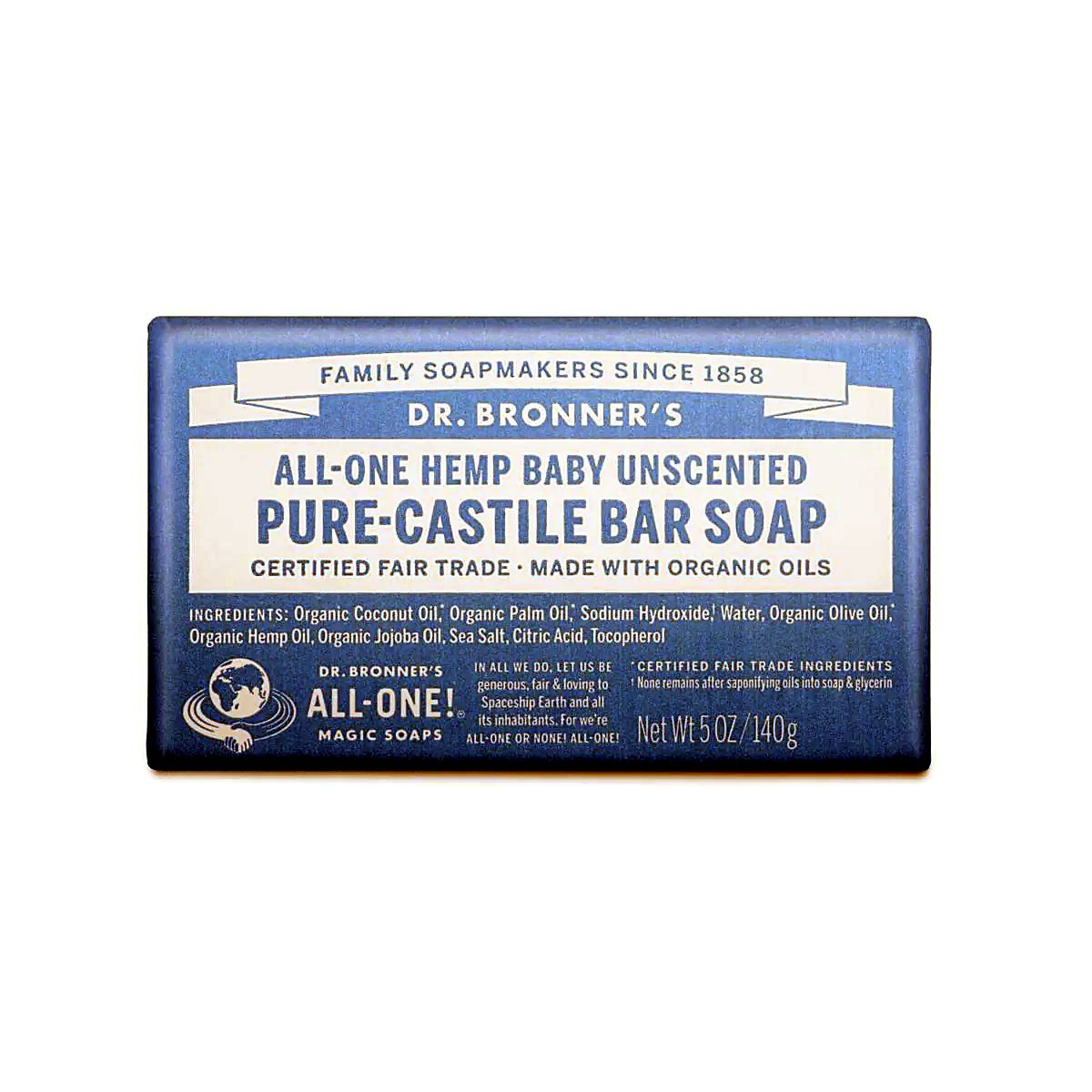
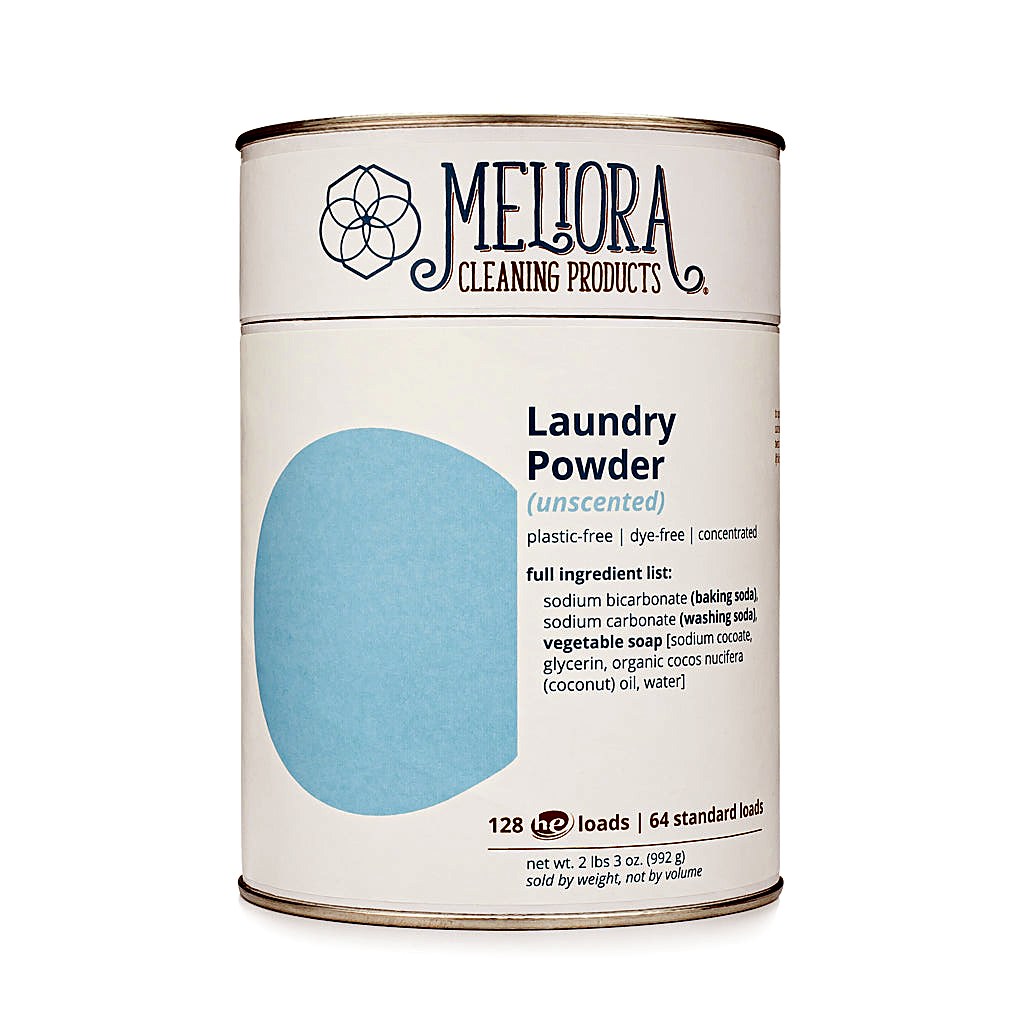
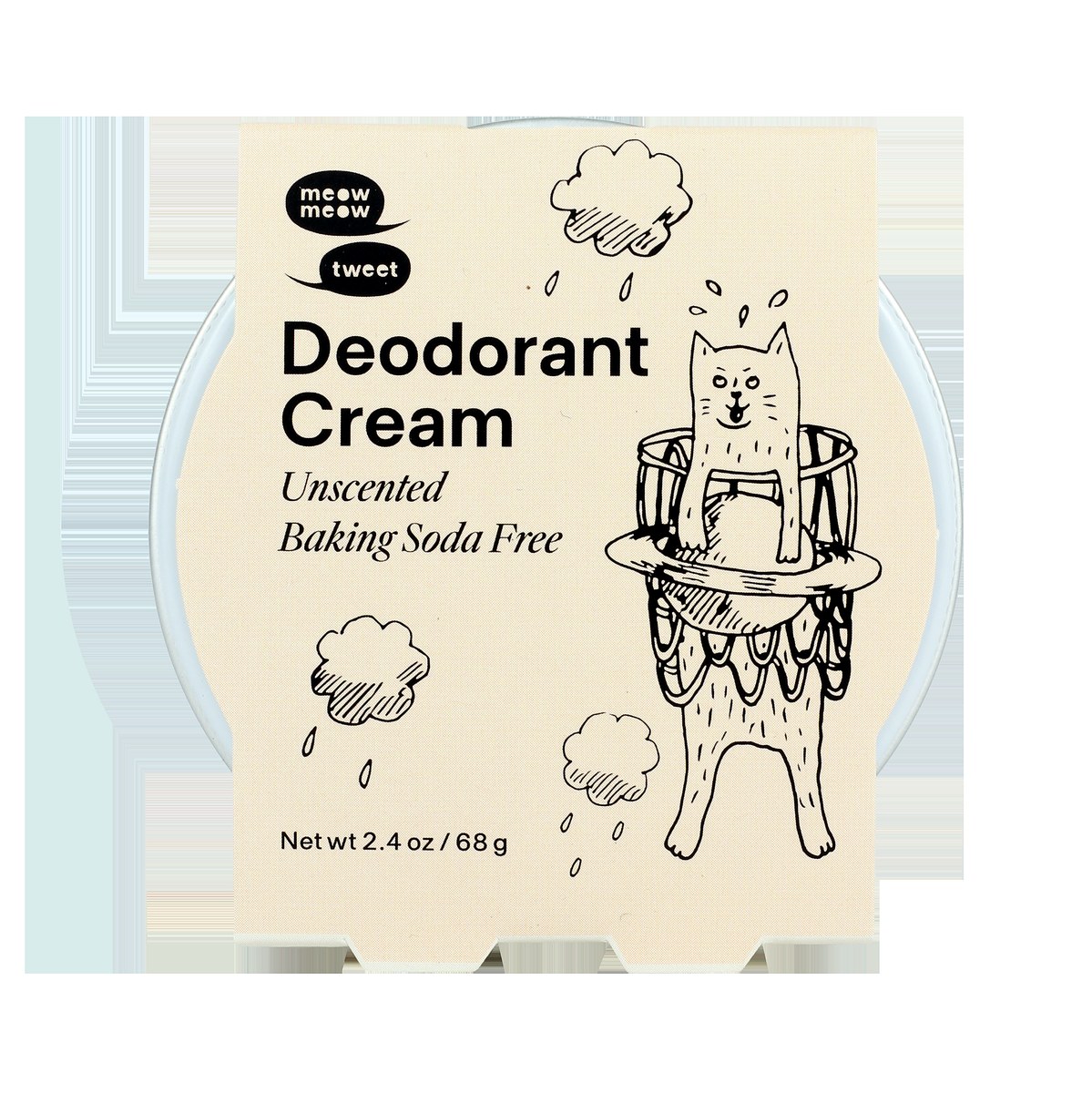
How to read a label like we do. First, look for the word itself: "fragrance," "parfum," "aroma," or "proprietary blend." If it's there and nothing else explains it, that's our hard no — the product doesn't list here, period. Second, look for what is named: essential oils listed by their plant names (like "lavandula angustifolia oil") are disclosed ingredients you can actually look up. Third, consider unscented. The unscented versions of soaps, laundry powders, and deodorants are the simplest choice of all — nothing to decode.
"But it says natural fragrance." Not a regulated term. "Natural fragrance" on a label doesn't have a legal definition, and it still doesn't tell you what's in the blend. We treat it the same as "fragrance": undisclosed is undisclosed.
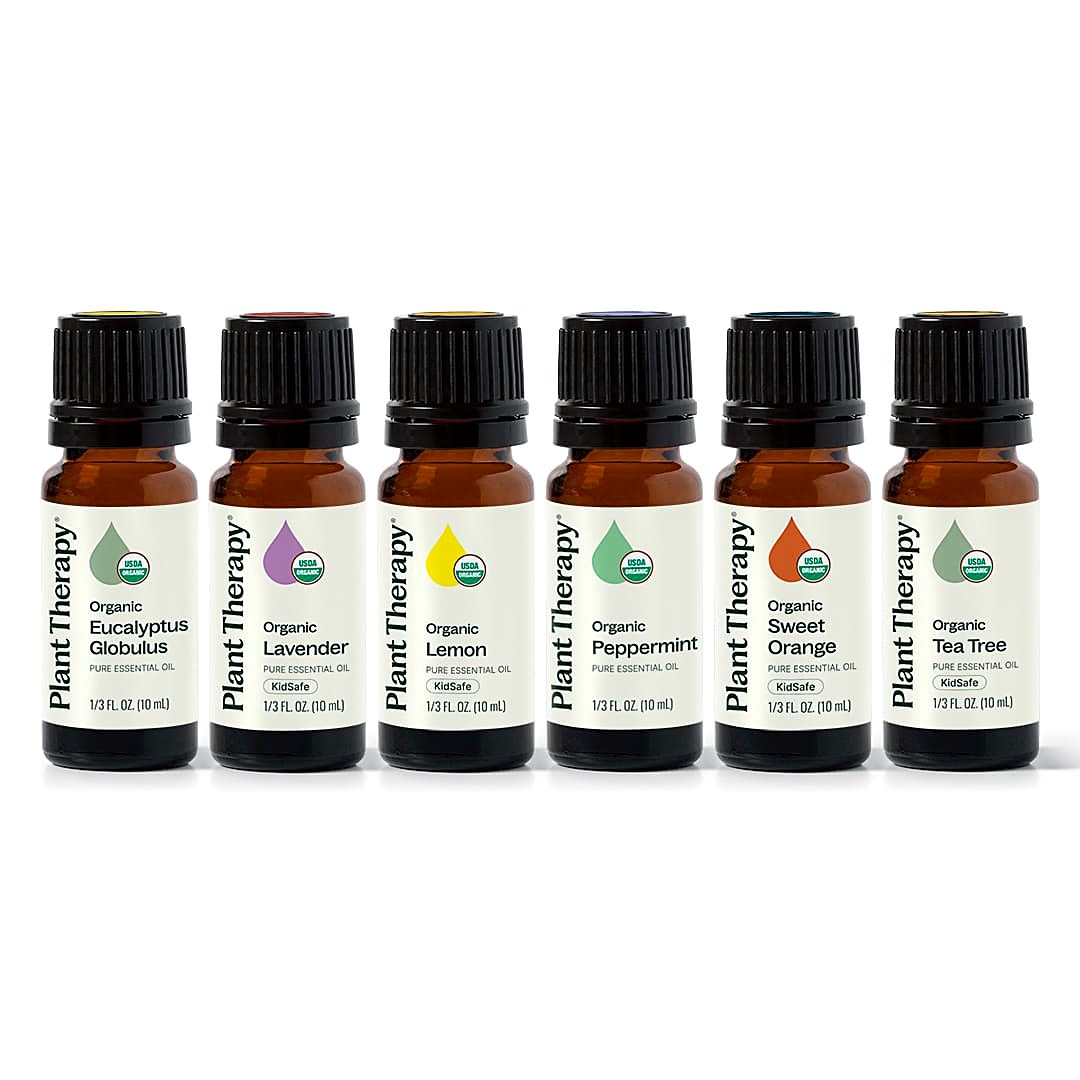
What about essential oils? Real essential oils are disclosed plant ingredients — that's why we stock them and why some of our products are scented with them. A few honest notes: they're concentrated, so they belong diluted (about 1–2% in body products is the standard guidance), and "natural" doesn't mean "use freely." Keep them away from small children and pets unless you've checked what's safe, and never ingest them. Disclosed and potent is very different from mysterious and potent.
The takeaway. You don't need to memorize chemical names. You just need one habit: if the scent isn't explained, pass. Buy the unscented bar soap. Buy the laundry powder with the short ingredient list. Choose the candle that's simply beeswax. The products that have nothing to hide tend to say so — and the ones that don't, don't.
One more label trick: "unscented" vs. "fragrance-free." They sound the same and they aren't. "Fragrance-free" means no fragrance was added — what you want. "Unscented" can legally mean the product contains masking fragrance to cover up the smell of its own ingredients. It's one of the great quiet tricks of labeling. When we stock an unscented product here, we've checked that it means no added scent, period — masking fragrance included. If you're shopping elsewhere, "fragrance-free" is the safer of the two words.
Start with your biggest exposures. If overhauling everything feels like a lot, prioritize the products that sit on your skin or fill your air: deodorant, laundry (your clothes touch you all day), hand soap, and anything you spray around the house. Swap those first and you've covered most of your daily fragrance exposure. The dish soap and the occasional scented candle can wait for round two. Progress beats perfection, and your nose will adjust faster than you expect — within a couple of weeks, unscented starts smelling like nothing, which is to say, like clean.
That's the whole philosophy of this store in one label-reading habit. We do the squinting at fine print so you don't have to — but honestly? Once you see the word "fragrance" for what it is, you can't unsee it. And your shopping gets simpler, not harder.