Why we say no: how products earn a place on our shelves
Our whole store rests on one habit: saying no. Here's exactly what we check before anything lists — and what we can't promise.
Most stores decide what to sell by asking one question: will it sell? We ask a different one first: can we verify it? That single question shapes everything on our shelves — and it means we say no far more often than we say yes.
Here's what has to happen before a product earns a spot here.
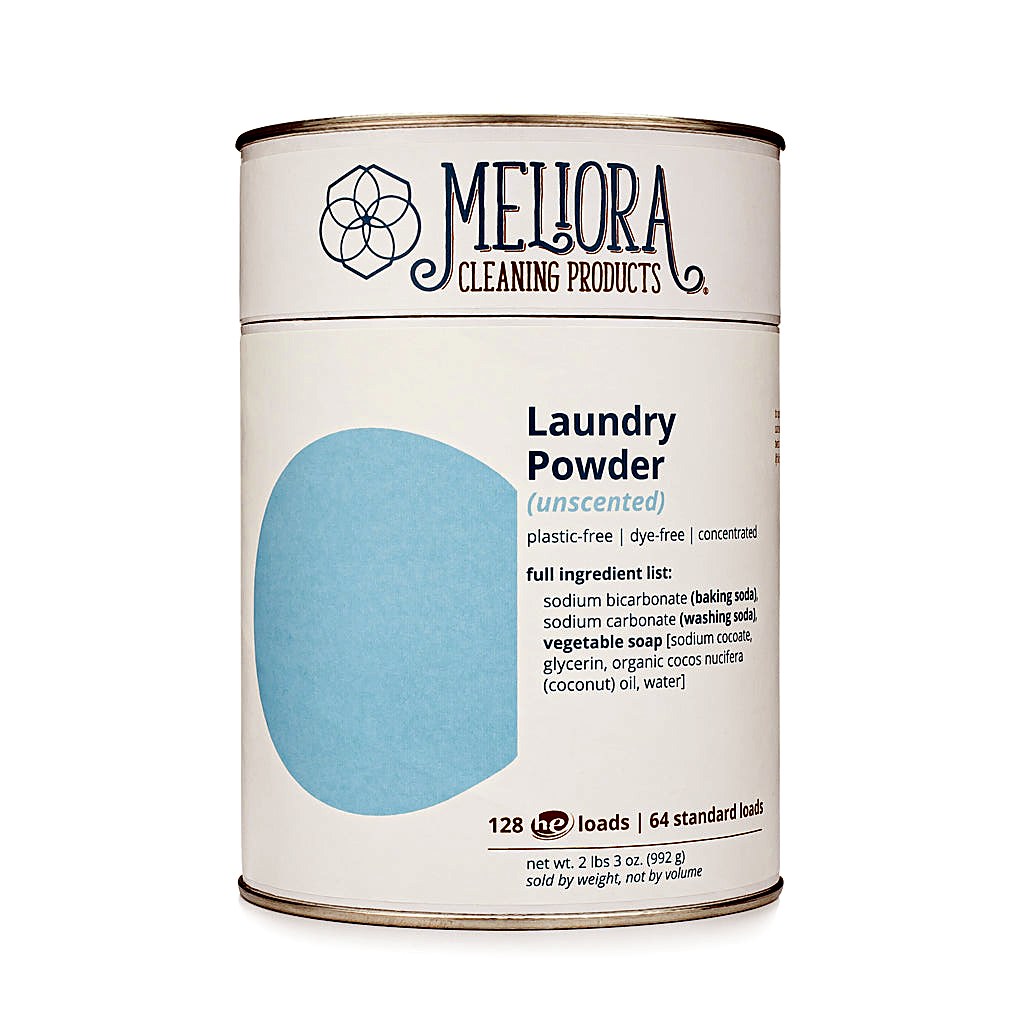
Every ingredient named. We only list products whose makers disclose everything that's in them. If a formula hides behind "fragrance," "parfum," or "proprietary blend," it doesn't make our shelves. Full disclosure or it doesn't ship — not as a slogan, as a listing rule. A product with a great story and a secret ingredient list is just a story.
No synthetic fragrance, ever. Scent comes from real essential oils and botanicals, or the product is unscented. Anything with phthalates or undisclosed aroma chemicals doesn't list. This is the rule that eliminates the most products, and we're fine with that.
Screened for the usual suspects. We check every product against our list of concerning ingredients — parabens, triclosan, formaldehyde releasers, optical brighteners, and the rest — using the maker's own published disclosures. Anything on the list is out.
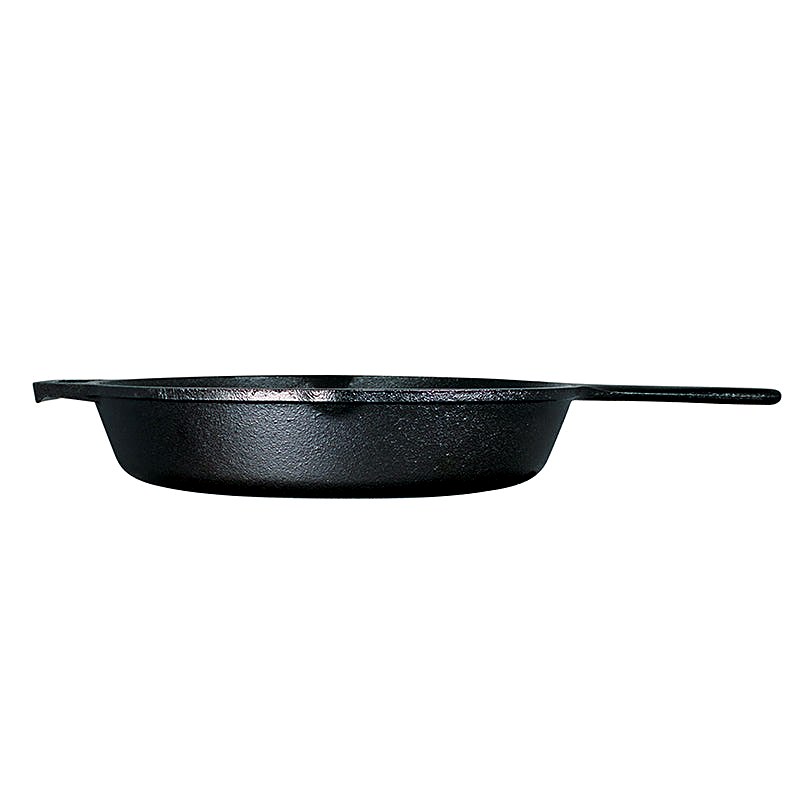
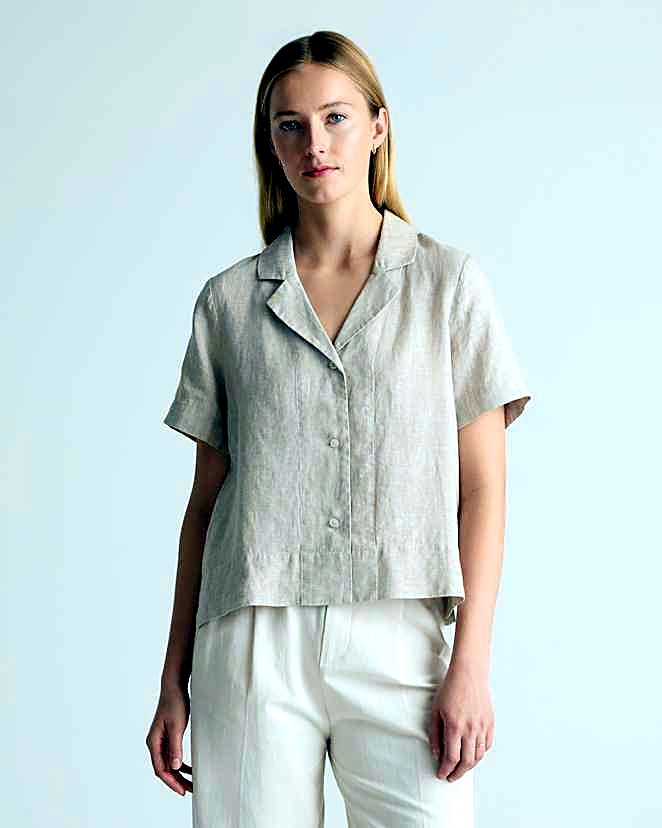
Materials get the same scrutiny. Cookware, décor, and textiles are checked as carefully as what goes on your skin. Apparel and home textiles are natural fibers only — cotton, linen, hemp, wool. Never synthetic, no exceptions. That means we also turn down the 95/5 blends. The rule is the rule.
Honest language, especially for traditional goods. For herbs, tinctures, and essential oils, we describe traditional uses only — never medical claims. If we can't say it honestly, we don't say it.
And the bar doesn't drop after listing day. If we learn a formula or material has changed, we re-check it against the standard — and anything that stops passing leaves the shelf. You shouldn't need a chemistry degree to buy dish soap. That's the whole idea: you shop, we worry about the labels.
What we want to be straight with you about. We review products against the makers' own published disclosures — spec sheets, ingredient lists, material statements. We don't run a laboratory, and we won't pretend we do. When a maker can't or won't tell us what's in something, that's not a mystery we solve — it's a no. We'd rather have a smaller shelf we're sure about than a bigger one we're not.
Packaging deserves the same honesty. Your order ships directly from our supplier's warehouse in their standard packaging, which is usually a recyclable mailer or box. We favor products whose own packaging is plastic-free where we can, and genuinely plastic-free shipping packaging is on our roadmap as we grow. When a product ships plastic-free, we'll say so clearly on its page. When it doesn't, we won't pretend otherwise.
Why tell you all of this on a store blog? Because trust is the product here, as much as anything on the shelf. "Natural" doesn't mean anything until someone actually checks. So we check — carefully, consistently, and out loud. Every no is what makes every yes mean something.
What saying no costs us. Let's be candid: this standard makes our shelves smaller and our growth slower. We turn away products that would sell well. We list fewer brands than a store that takes whatever the distributor offers. A bigger catalog would be easier to market and faster to build. We know that, and we do it anyway — because a store that says yes to everything is just a warehouse with nicer fonts. Every product we reject is shelf space we could have filled, and we'd rather explain a smaller shelf than defend a bigger one we can't stand behind.
Take a look around. Everything here cleared the bar above, or it wouldn't be here at all.