Wool dryer balls: the simple swap
Six balls of wool replace boxes of dryer sheets, year after year. Here's why this tiny swap punches above its weight.
Of all the swaps in a natural home, this might be the easiest one: take the box of dryer sheets, recycle it, and replace it with a handful of wool balls. That's the whole project. It takes thirty seconds and it lasts for years.
What dryer sheets actually are. A dryer sheet is a thin piece of polyester fabric coated with softening agents and — you guessed it — "fragrance." That coating transfers to your clothes with heat, which is how it works. It's also single-use: every load, another sheet into the trash. Over a year, that's hundreds of sheets per household.
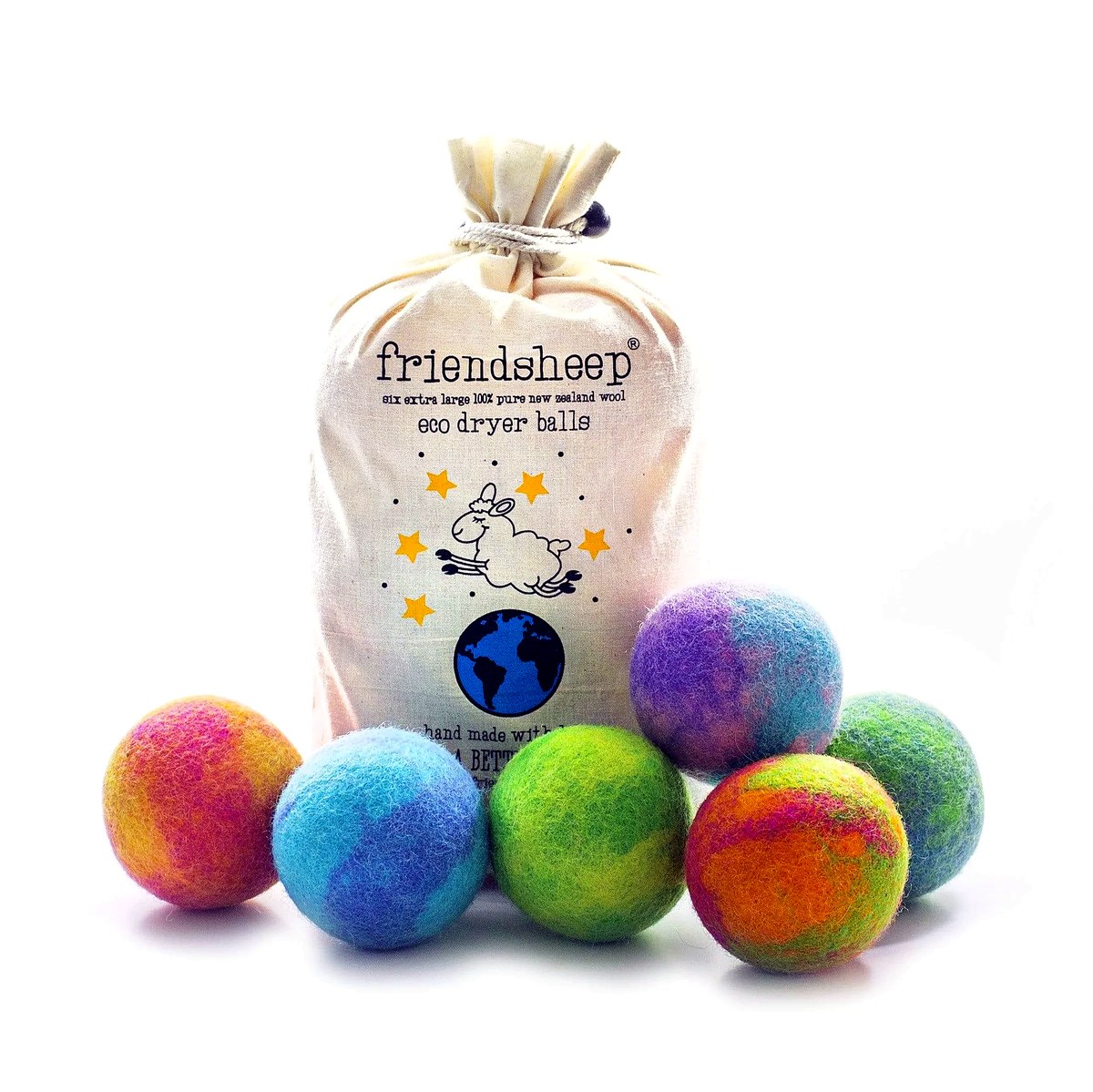
What wool dryer balls do. They're just tightly felted wool — nothing coated, nothing added. Tossed in with a wet load, they bounce between your clothes, keeping them separated so hot air circulates better. Loads dry faster, clothes come out softer, and static drops. Many people find they can cut dryer time noticeably, which is a little energy savings on every single load. When they eventually get tired after a year or more of use, they're wool — they go back to the earth, not the landfill.
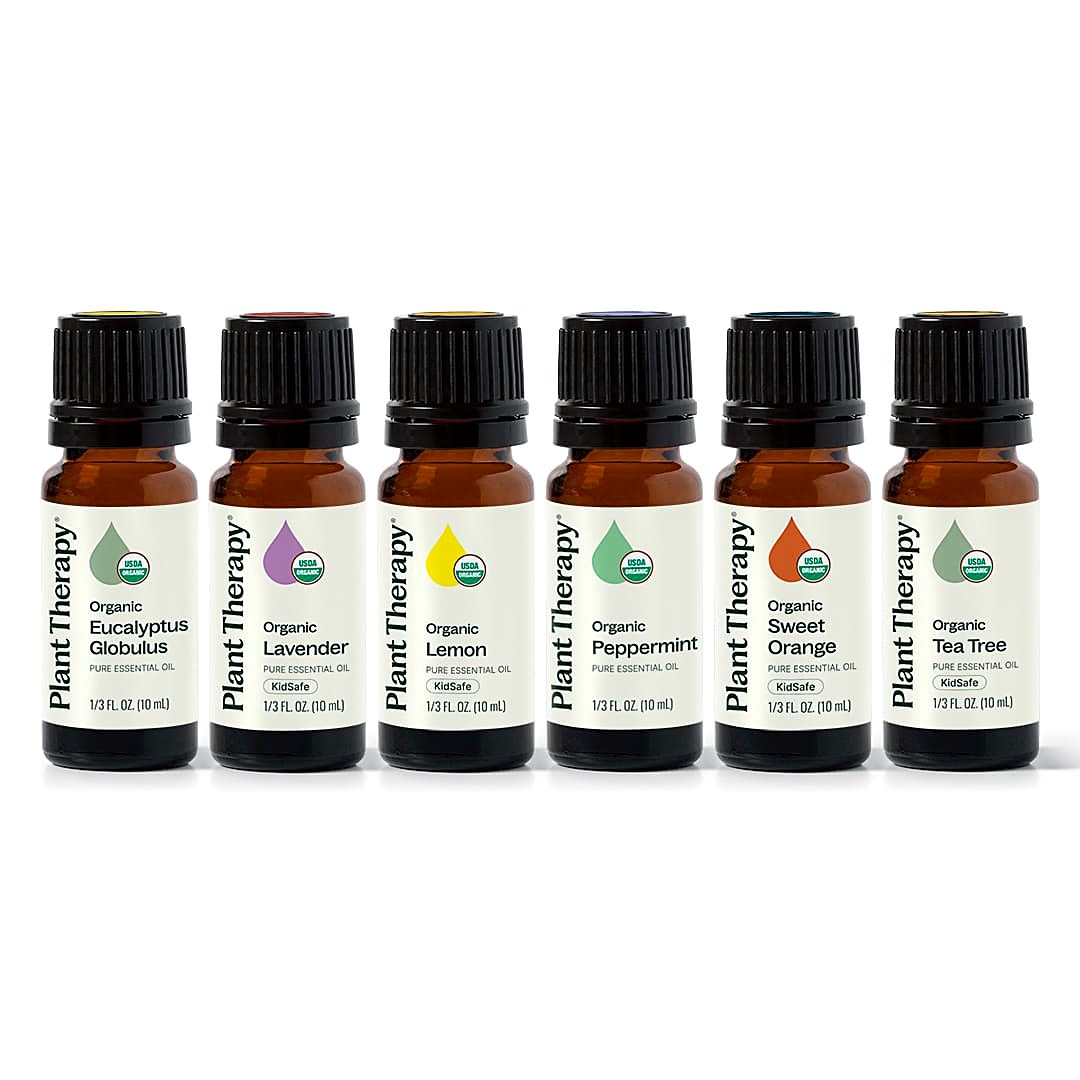
The scent question. If you miss that fresh-laundry smell, add a drop or two of a real essential oil — lavender is the classic — to each ball every few loads. The scent is gentle, it comes from an actual plant, and you know exactly what it is because you put it there yourself. A 10 mL bottle will last you ages at that rate.
How to use them. Use three to six balls per load (more balls for big loads). That's it. No settings to change, no maintenance. If they start looking fuzzy after many months, that's normal — they're working. Some people toss them in with a load of towels to re-felt them a bit. Store them in the dryer or a basket nearby; they don't need any special care.
What they won't do. They won't make your clothes smell like a meadow in a commercial — that smell was chemicals, and you're not going to miss it as much as you think. They won't eliminate static in extremely dry winter air quite like a chemical sheet, but most people find the difference small. And they will occasionally escape the laundry basket and roll under the couch. The dog may claim one. These are acceptable trade-offs.
Build the rest of the routine around them. Dryer balls pair naturally with the other laundry simplifications: wash in cool water (modern detergents are formulated for it, and your clothes last longer), use an unscented laundry powder with a short ingredient list, and skip the "scent booster" beads entirely — they're fragrance delivery systems, which is exactly what you just walked away from. If you have the space, line-dry when the weather allows; the sun freshens fabric for free. The dryer balls are the gateway swap. The whole routine follows.
One honest footnote. Wool dryer balls work best as part of not over-drying in the first place. Pull clothes out when they're just dry — or even slightly damp for line-finishing — and you'll get less static, fewer wrinkles, and fabrics that last longer. Over-drying is what beats up clothes and runs up the energy bill; the balls just make a reasonable dryer cycle work better. Small habits, compounding quietly, load after load.
Why we love this swap. It's the perfect example of our whole philosophy: simpler, disclosed, real materials, better over time. No ingredient list to decode. No subscription. No plastic box every month. Just wool, doing what wool does, for years. If you're standing at the start of a lower-tox laundry routine and feeling overwhelmed, start here. It's the thirty-second win that makes the rest feel doable.